

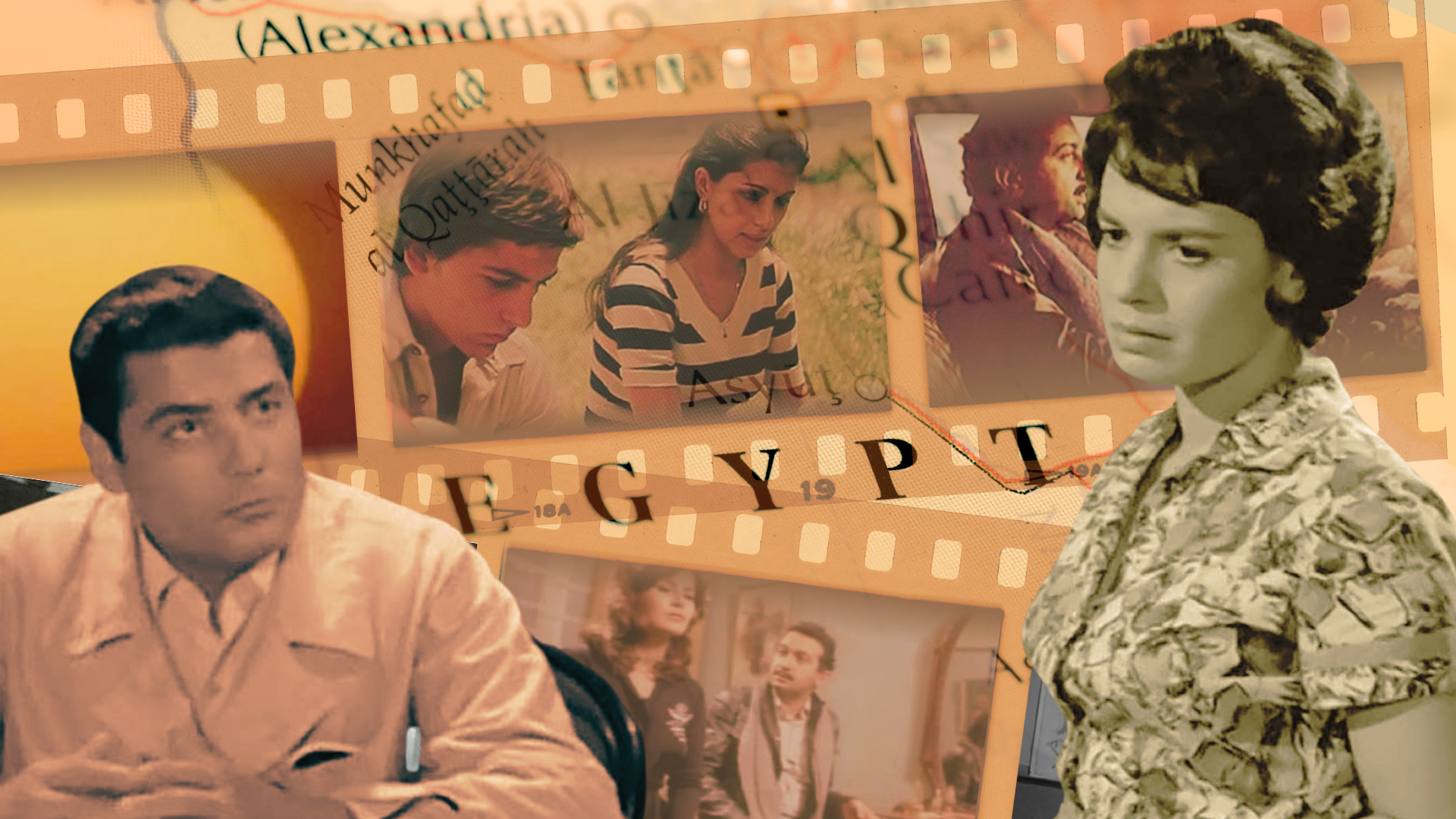
Known as Hollywood on the Nile, Egypt’s film industry experienced its golden age in the 1960s.The nationalization of its film industry buoyed the budgets of directors to capture the hopes and fears of Egyptian society in hits like Dawn of a New Day and Struggle of the Heroes. Tamara Maatouk, assistant professor of film studies in the Department of the Arts, sees film as a vessel for history, offering insights beyond textbooks. Her research explores how Egypt’s private- and public sector films captured the socialist 1960s. AUCToday spoke with Maatouk to learn more.

“For many decades, film remained the main conveyor of public history. ... It allows us to get glimpses into the mentality, experiences and expectations of a society at a certain period.”
Why are the 1960s a pivotal decade in Egyptian film history?
Amid governmental change, the Cold War and decolonization, Egyptian film officials, intellectuals and professionals organized festivals and conferences to debate cinema's societal role. Collectives like the New Cinema Group believed film could revolutionize society, while intellectuals explored cinema as a nation-building tool at events including Brazilian Film Week, Soviet Film Week, the 1960 Afro-Asian Solidarity Organization Film Festival in Cairo and the 1964 Arab Roundtable on Arab Cinema in Alexandria. In 1964, it was more about the role of cinema as a means of communication and education on how to shape committed modern subjects.
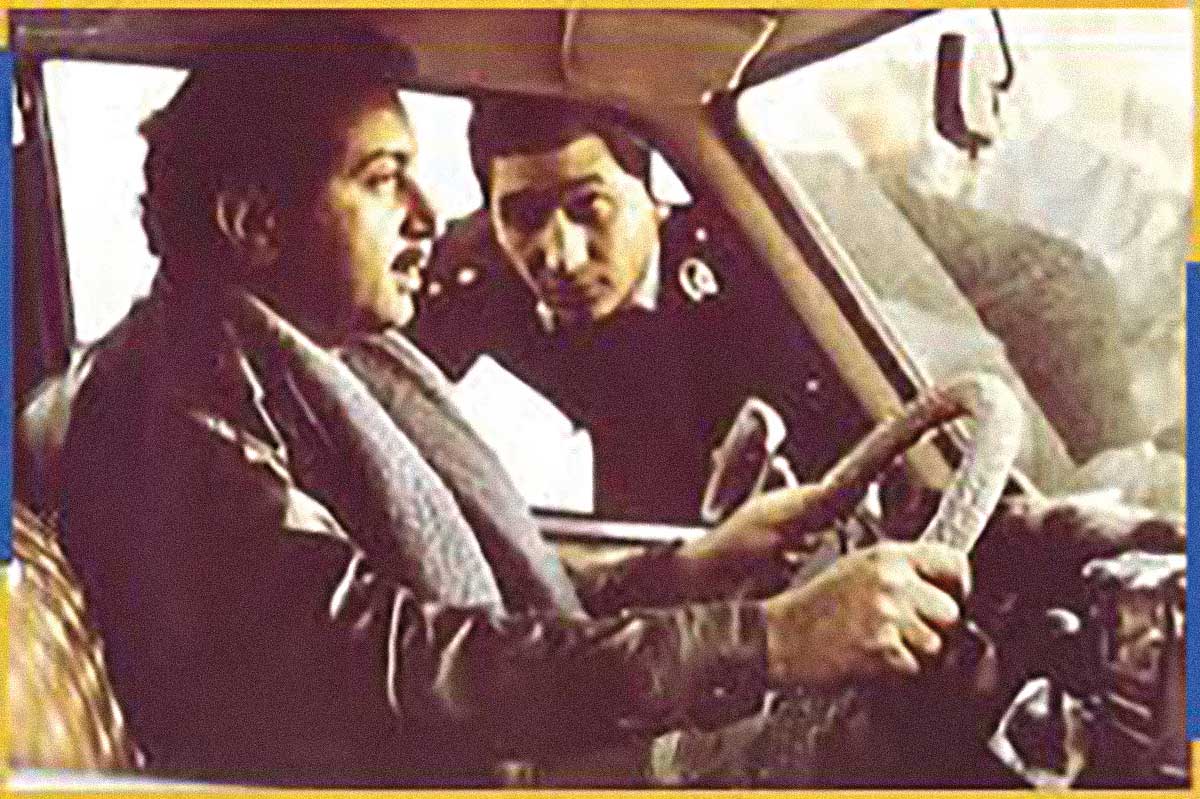
ATef El Tayeb's 1981 film The Bus Driver.
What distinguishes Egyptian cinema of the 1960s?
The 1960s saw the proliferation of realist cinema, a genre concerned with ordinary people's struggles, in its various forms: social, socialist and psychological realism, among others. While the movement fully crystallized in the 1970s and 1980s, the conversations of the 1960s laid the groundwork for new realist classics such as Atef El Tayeb's The Bus Driver (1982), which follows a bus driver's journey to save his father's workshop from auction.
It is a style of film that addresses the everyday struggles of the ordinary citizen. It is different from other types of realism in the sense that it may not have a happy ending or heroize its protagonist. Technically, it's shot on location and is very much preoccupied with the city, the urban space, just as an ordinary person who is reacting to structural everyday struggles.
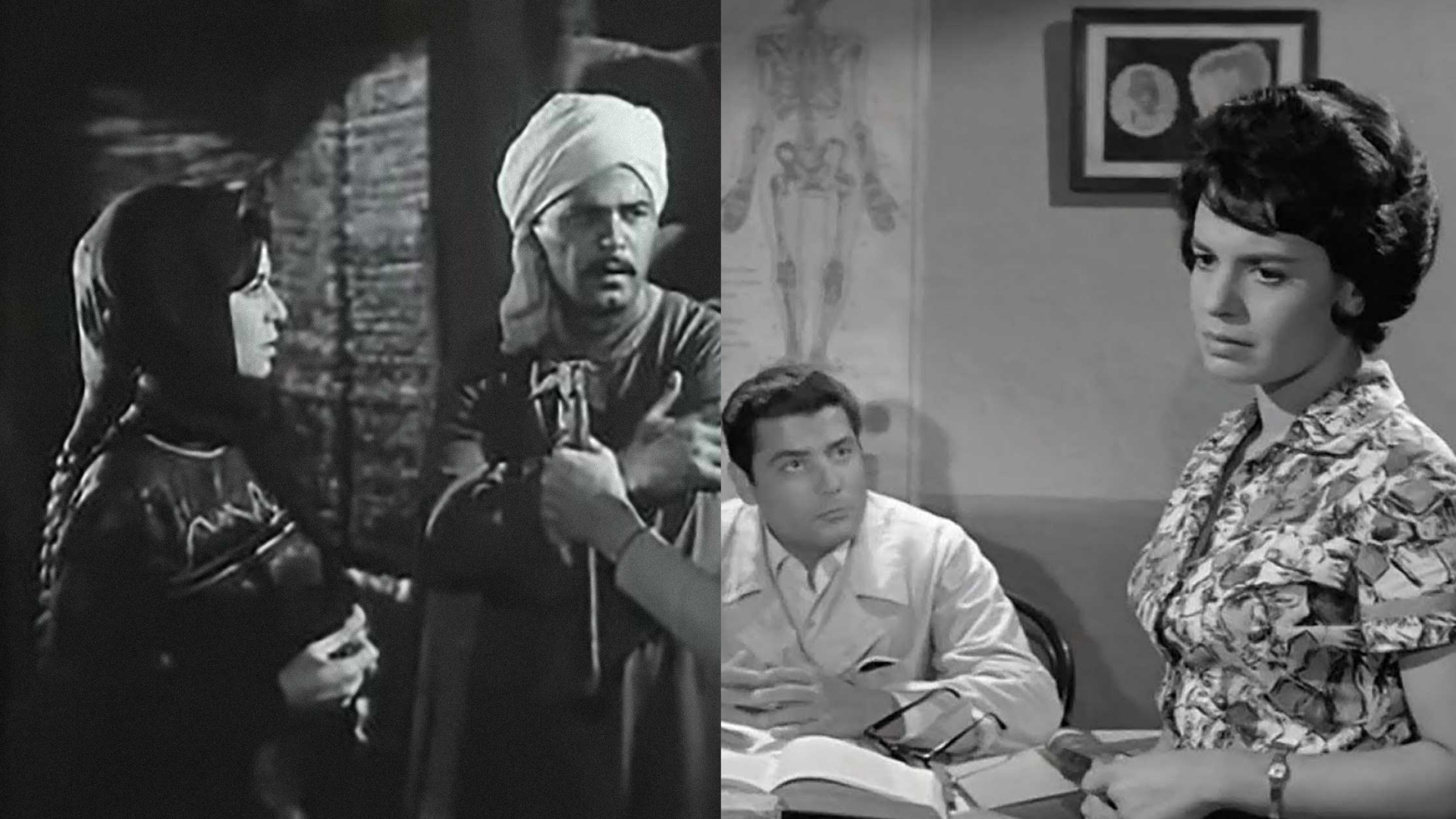
Tewfik Saleh's 1962 film a Struggle of the Heroes.
How did Egyptian cinema envision social progress in the 1960s?
Examining film protagonists in the 1960s reveals the views of filmmakers on society. While 1950s films highlighted military officers as model citizens, the early 1960s brought intellectuals as aspirational figures in movies like Tewfik Saleh's 1962 film, Struggle of the Heroes.
Egypt entered the 1960s with high hopes for its future, and these characters were seen as promising in the sense that they will introduce a lot of change. Their role was to help create political and social consciousness, to raise awareness of certain issues. This is where we start to see the intellectual — particularly the doctor, the engineer, the teacher and the social worker — become main characters in these films.
How did disillusionment reshape those stories?
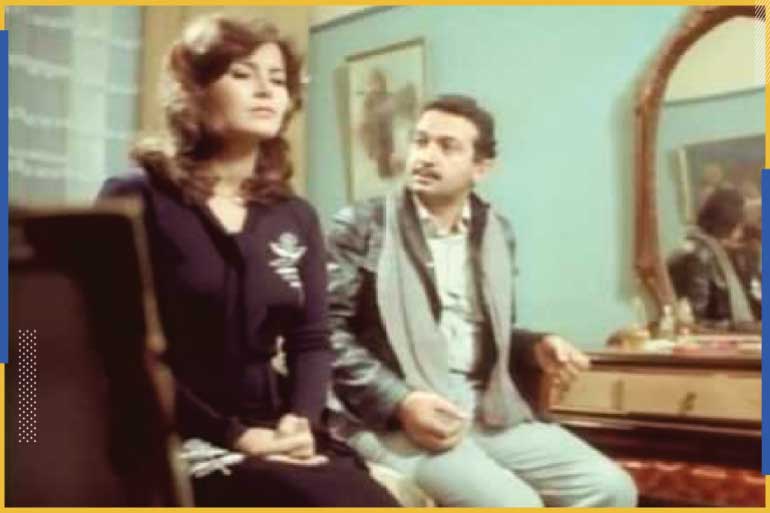
Films began to critique the motives and morals of intellectuals as the decade progressed. By the mid-1960s, engineers and doctors were often characterized as morally dubious, as seen in Khalil Shawky's 1965 El Gabal. Films from the late 1960s to the early 1970s show waves of self-criticism by filmmakers, as in Youssef Chahine's 1976 drama The Return of the Prodigal Son. In the wake of the 1967 Arab-Israeli war, the reflection of disillusionment with the socialist project intensified.
Egyptian films of the 1950s and 1960s that were anti-imperialistic and anti-colonial genuinely believed in justice and were deeply hopeful. The transformations that took place within Egypt itself, the region and the world disenchanted a large portion of society, including film professionals.
How can film serve as a medium for public history?
For many decades, film remained the main conveyor of public history. We really need to take it more seriously. It allows us to get glimpses into the mentality, experiences and expectations of a society at a certain period.