

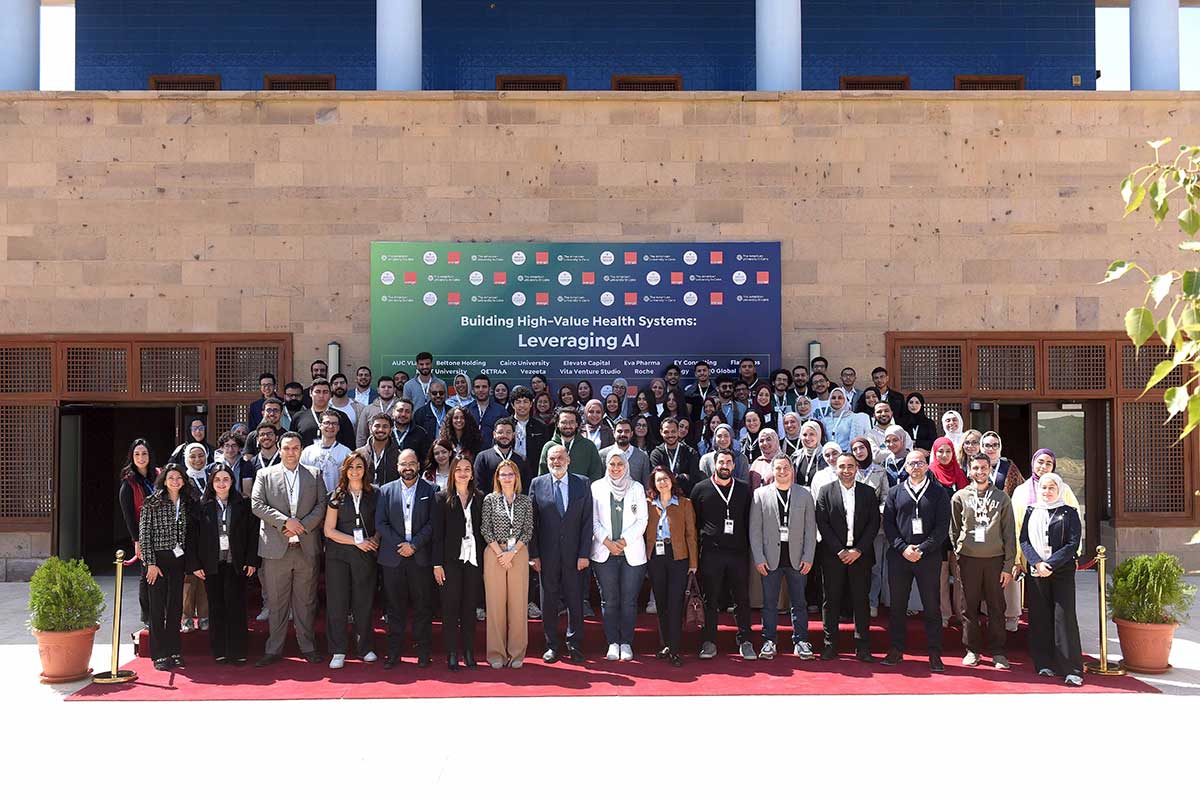
“For the six editions prior to this year, we had no representation from Egypt or anywhere else in North Africa,” said Seham Elmrayed, assistant professor at AUC’s Institute of Global Health and Human Ecology and hackathon task force lead. “There’s a lot to capitalize on at AUC and in the Egyptian community that can help advance healthcare problems.”
Under this year’s theme “Building High-Value Health Systems: Leveraging AI,” the hackathon brought together more than 100 innovators. As the hackathon's Egypt hub, AUC hosted 22 teams from institutions across five continents, who spent two days designing functional prototypes addressing global health system challenges.
"Unless you have local innovation, you’re not going to be able to translate any of these AI advancements and technologies into something meaningful to support the communities we want to serve."
Winning teams were invited into the HSIL Venture Incubation Program, an eight-week remote boot camp offering structured educational sessions, mentorship and access to investors — culminating in a Global Demo Day. Winning projects ranged from an AI platform generating insights on brain cancer to an accessible pill dispenser with a built-in AI agent to track patient progress.
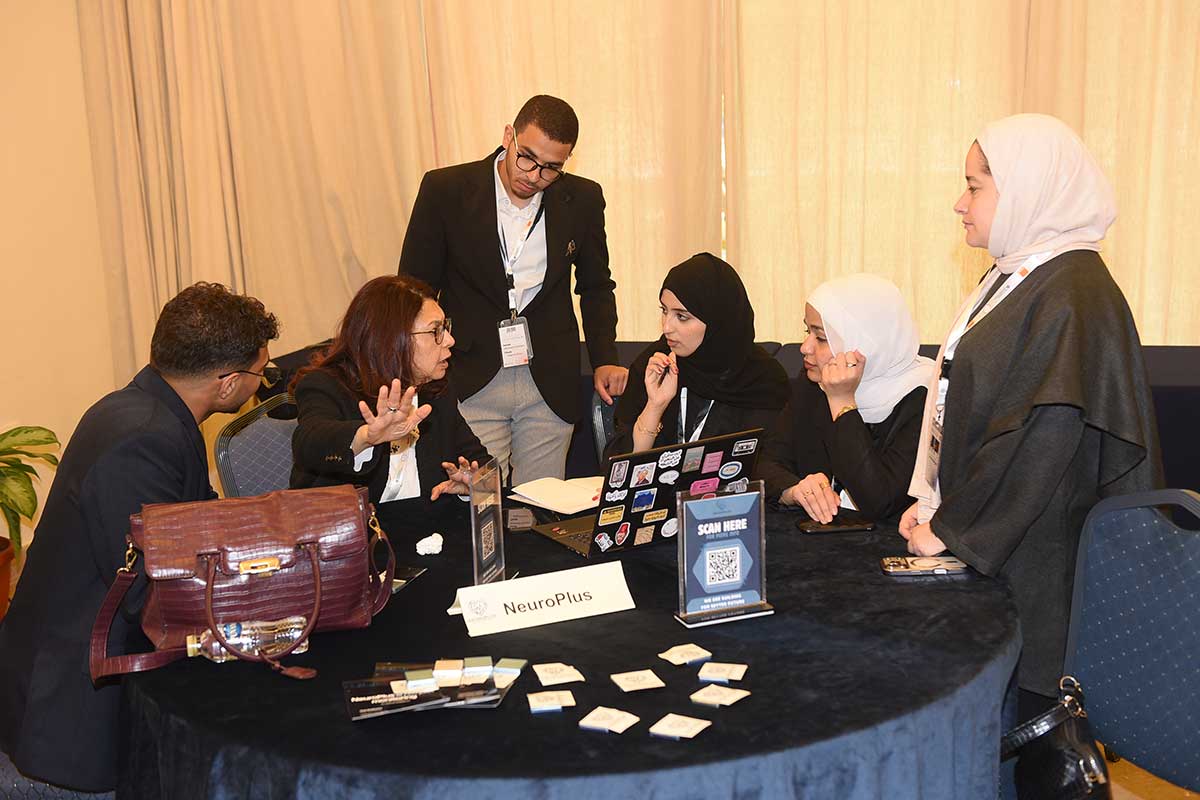
“The American University in Cairo brings an interdisciplinary ecosystem, making it the right choice to collaborate on this great initiative,” said HSIL Hackathon lead Aminu Osman Alem. “Egypt was selected as a partner country due to its strategic role in the region, its rapidly evolving digital health landscape and its opportunity to address complex health system challenges at scale. The goal is to foster locally grounded solutions with regional relevance, while integrating Egypt into a broader global innovation network across 50+ hubs."
"The American University in Cairo brings an interdisciplinary ecosystem, making it the right choice to collaborate on this great initiative."
AUC students and alumni who participated in the hackathon found the experience beneficial. Abdalla Ashraf (MSc ’24) designed Razi, a locally built lease-to-own business model for on-premise radiology operating systems, designed to reach underserved clinics throughout the region. “Through HSIL, we realized that true innovation is not built in code. It is realized when adoption feels natural and friction disappears. Healthcare systems do not need disruption. They need healing,” Ashraf said.
Areeg Elkholy, a data science junior, helped create MedIntel, an AI-driven platform identifying misalignment between historical resource spending and the needs of the population. “What I found most valuable was how the experience pushed us to think beyond the technical side and engage with real-world system challenges, while also strengthening my ability to communicate complex ideas clearly under pressure,” Elkholy said.
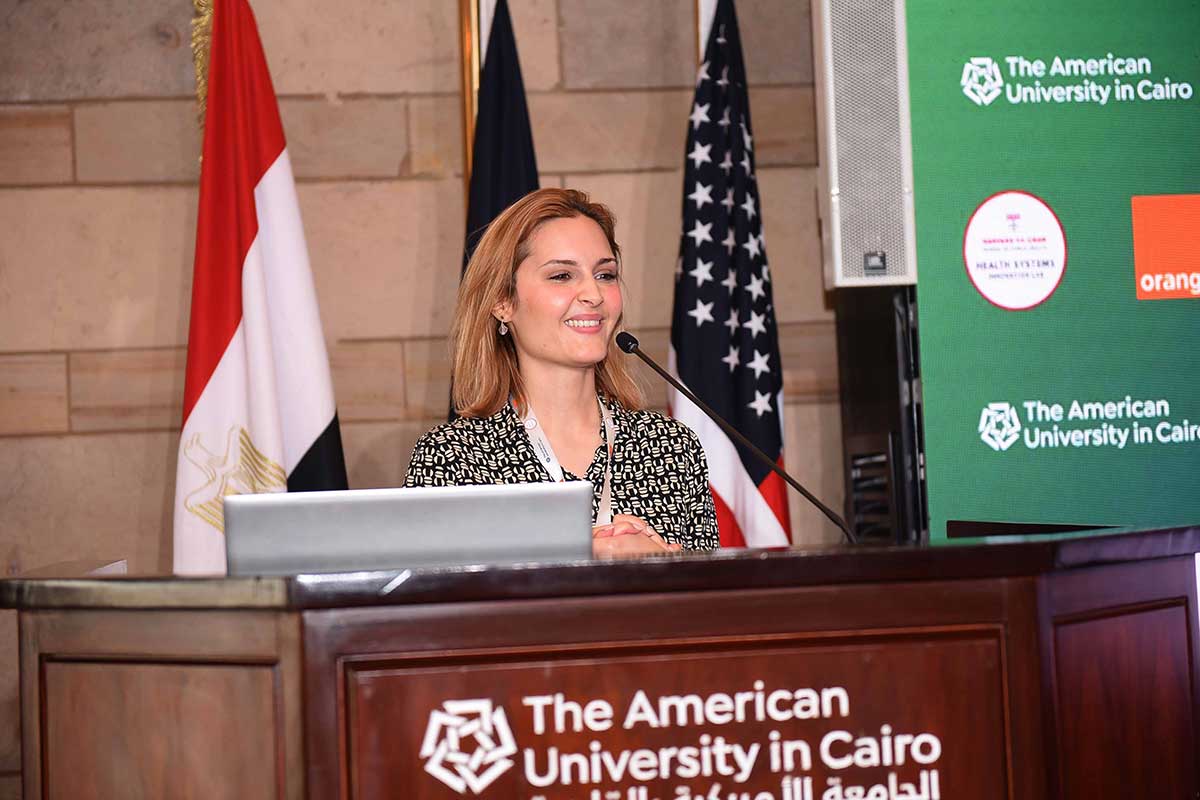
Elmrayed, who teaches a graduate-level class on AI introduction and applications in healthcare, explained that artificial intelligence has already begun to support healthcare professionals in synthesizing large quantities of data. As health systems worldwide are burdened with challenges like workforce burnout, AI can produce predictive insights and classify diseases to make healthcare interventions more timely and effective. Even with new technologies, the focus remains on decision making and proper application.
“AI technologies do not equal clinical significance or performance,” Elmrayed said. “You have to think through the application. You have to think through adaptability.” Egypt’s role as a hub allows innovators to share ideas and translate these technologies into a local context. “Healthcare systems are shared globally, but they manifest in locally defined or context-dependent ways,” Elmrayed said. “Unless you have local innovation, you’re not going to be able to translate any of these AI advancements and technologies into something meaningful to support the communities we want to serve.”
"Egypt was selected as a partner country due to its strategic role in the region, its rapidly evolving digital health landscape and its opportunity to address complex health system challenges at scale."
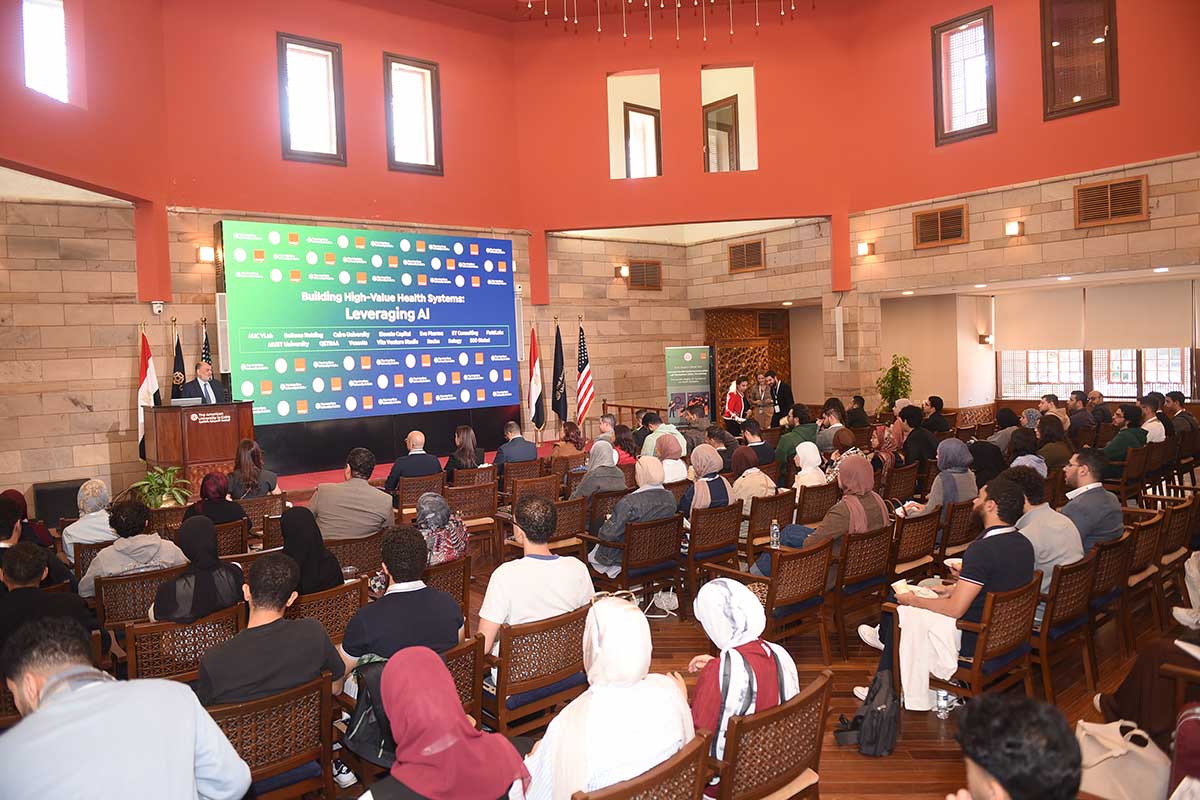
Emphasizing the importance of this collaboration, Elmrayed added, “AUC’s selection as a global hub reflects the strength of our academic ecosystem and our commitment to fostering innovation that addresses critical societal challenges. This initiative creates a unique opportunity to connect talent across disciplines and empower the next generation of innovators in digital health.”