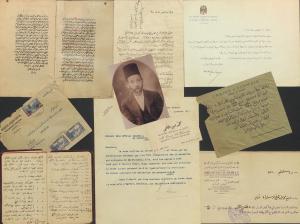
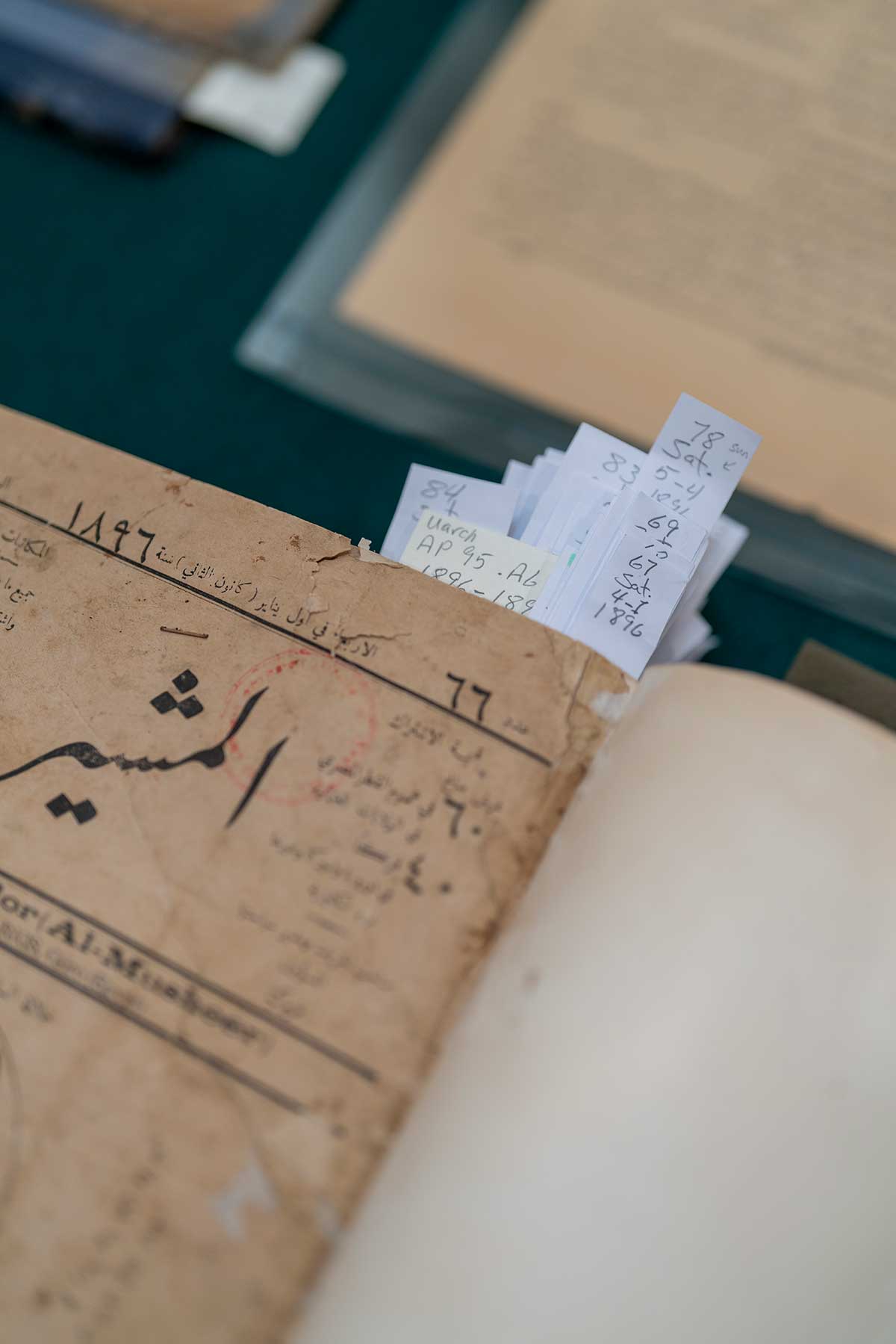
Stepping into the Rare Books and Special Collections Library feels like traveling back in time — or discovering a secret treasure trove. From centuries-old manuscripts to hidden gems of Egyptian history, the library is home to a remarkable collection exceeding 150,000 items, in addition to expansive archives that stretch across 2 kilometers of documented history.
But how much do you really know about AUC’s Rare Books and Special Collections Library? Tucked away on the third floor of the Main Library, the archives open up a world of research and discovery. Eman Morgan, assistant director of special projects, electronic media and professional development at the Rare Books and Special Collections Library, debunks common myths and highlights how students can engage with the archives beyond the classroom.
Misconception: AUC’s rare books collection is inaccessible; important books are locked away from the public.
Fact: The collection holds plenty of primary sources, not just items that require strict security. On the third floor, with the help of a specialized librarian, students can interact directly with photographs, maps, correspondence and historical magazines. Many items are indexed and digitized, searchable both online and in person. Research consultants are available, and students can use digitization services — including professional and 3D cameras — for presentations and exhibitions.
Misconception: The archives are freezing.
Fact: Only rare materials from the 16th to the 19th century are kept in climate-controlled areas, which aren’t accessible to students. Most of the archives are comfortable to study in, with cozy reading spots, study rooms and large glass windows that fill the space with sunlight.
Misconception: Research outcomes are only submitted to instructors for grades.
Fact: Student work is showcased beyond the classroom. The library features exhibitions for class and thesis projects and provides curation support so students can display their work year-round, benefiting peers and guiding future assignments.
Misconception: Oversized materials are difficult to handle.
Fact: The library houses many large items: architectural drawings, historical maps and 19th-century atlases. However, these materials are being digitized and cataloged, which makes them accessible online
to everyone.
Misconception: The art collection only includes visual media.
Fact: The collection is extensive, featuring oral histories of artists transcribed and translated in the digital library. Their oral testimonies alongside interviews with family members have revealed rich insights into 20th-century Egyptian artists and cinematographers.
Related stories
The Making of a Campus Ritual
Meeting with the King