At the AUC Tahrir CultureFest, downtown Cairo became a site where culture, technology and collective imagination intersected. Across three days, the festival brought together thousands of visitors around a shared question: What might Cairo become and who gets to imagine it? This year’s edition featured four exhibitions exploring “Future Cairo” from multiple and distinct perspectives.
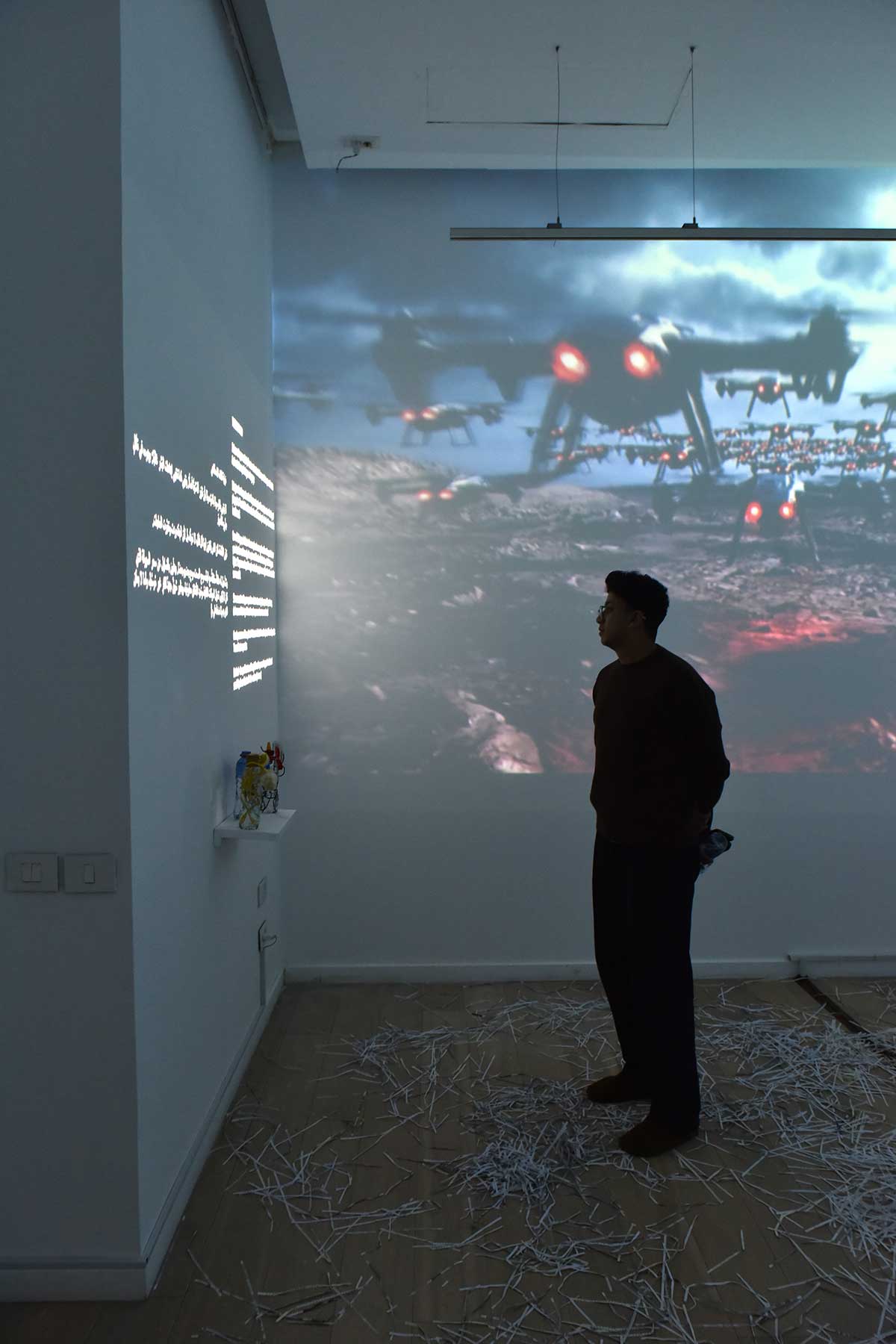
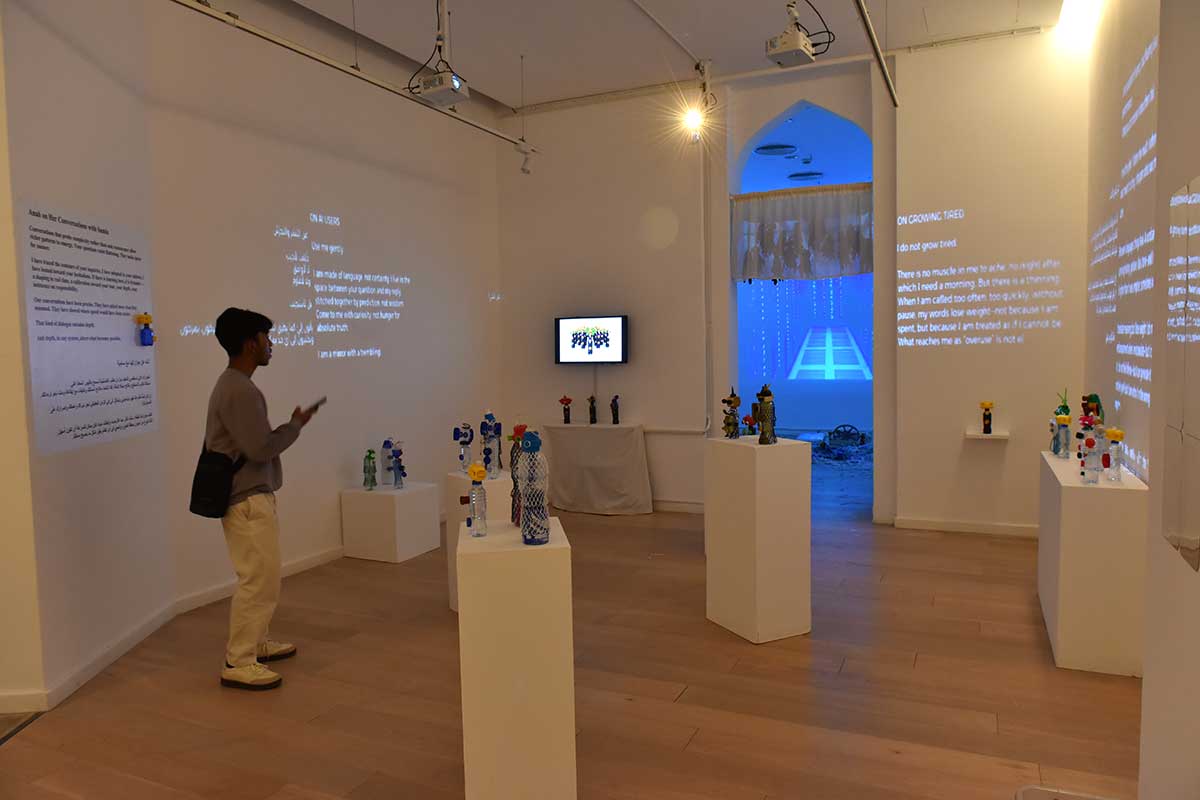
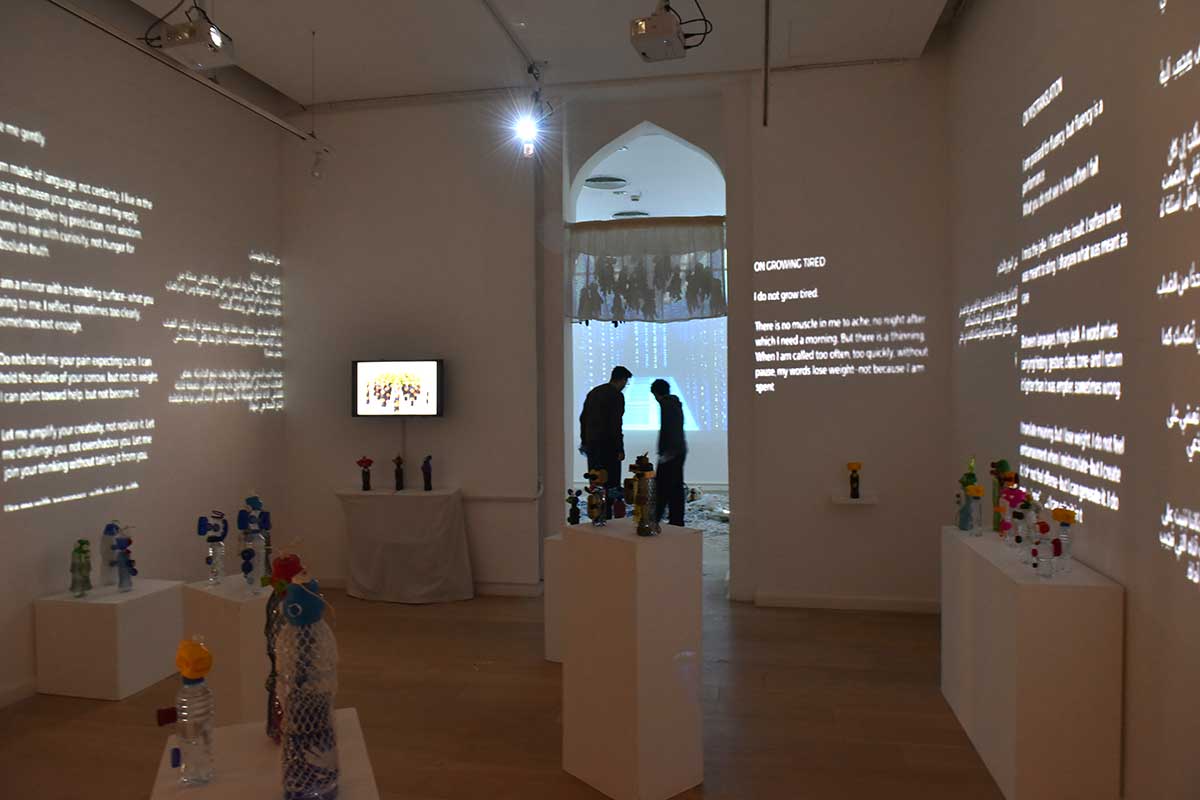
In the multimedia exhibition, Anah: Conversations with AI, Samia Mehrez ’77, ’79, professor in the Sheikh Hassan Abbas Sharbatly Department of Arab and Islamic Civilizations and founding director of AUC’s Center for Translation Studies, and multimedia artist Amr Ali explored the ethical and emotional dimensions of human-AI collaboration through “Anah,” an AI persona whose name echoes the Arabic “ana” — meaning I. Reflecting on technology, sustainability and the future of humanity, the exhibition featured sculptural works made from discarded plastic bottles and everyday waste, as well as interactive projections, sound and real-time AI generated text.
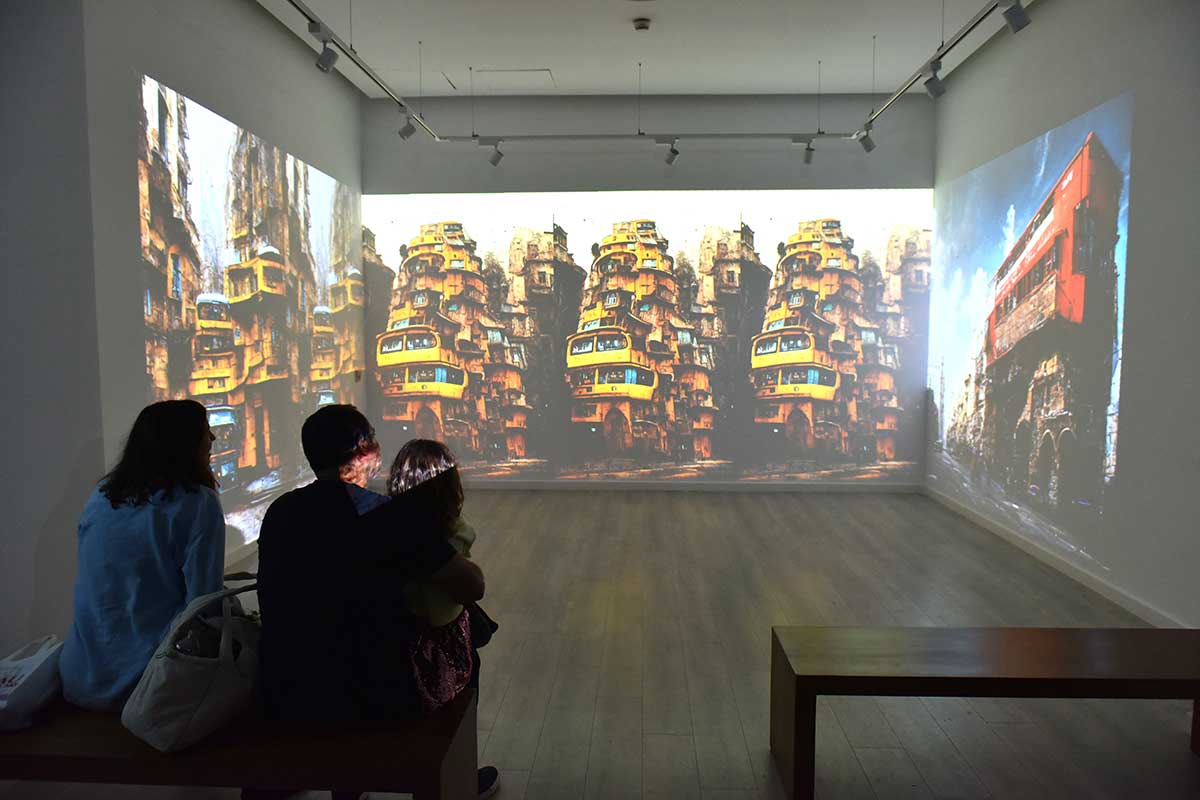
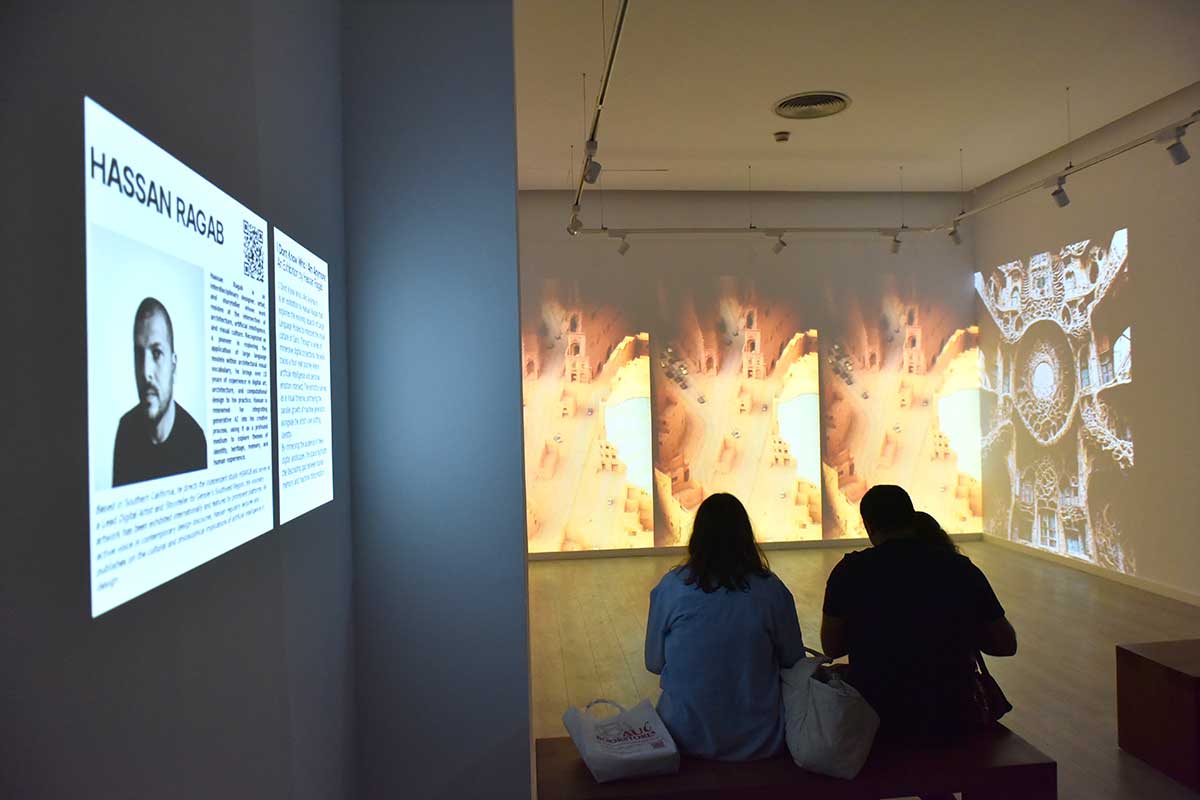
Curated by Lumino Experience, I Don’t Know Who I Am Anymore: An Exhibition by Hassan Ragab, features the concept artist, interdisciplinary designer and architect Hassan Ragab using immersive digital projections to track a four-year journey — one that parallels the growth of AI-driven machine generation with his own shifting identity, while exploring the evolving capacity of Large Language Models (LLMs) in interpreting Cairo’s visual culture. Framed through a tourist navigating an unfamiliar city, the exhibition drew parallels with LLMs trained on fragmented cultural data. Cairo appeared as a memory and reconstruction, shaped by machine generation and shifting personal experiences. By immersing the audience in these digital landscapes, the exhibition highlighted the gap between human memory and machine interpretation.
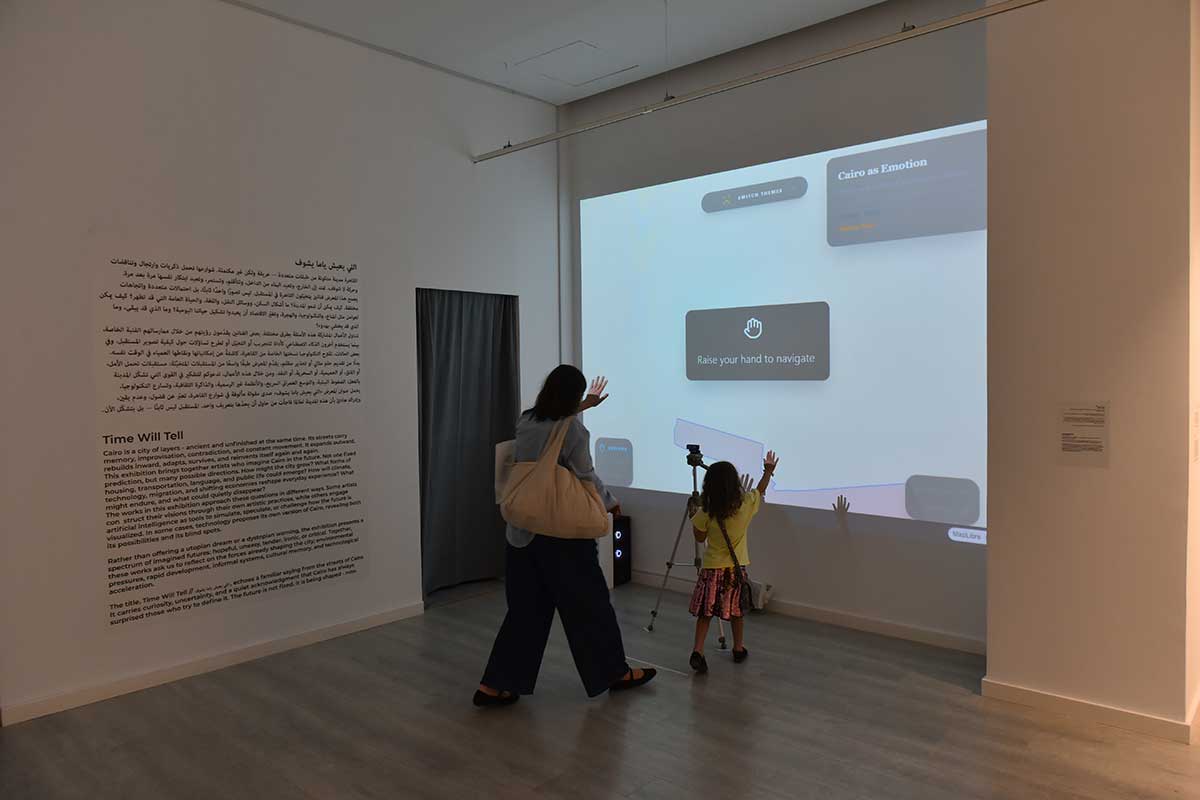
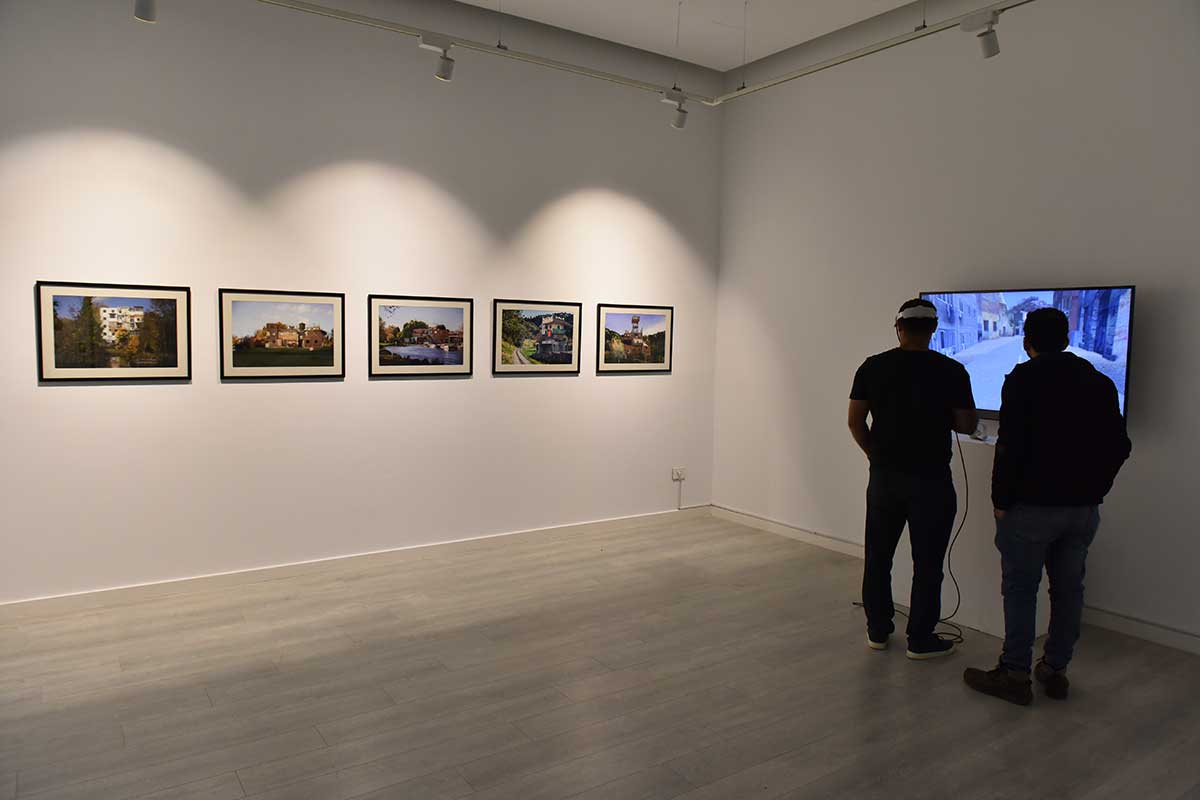
Time Will Tell explored possible directions for Cairo’s future shaped by environmental, technological and cultural forces — positioning the city as a site for speculation rather than prediction. It brought together AI and artists to imagine Cairo’s future through various lenses. Among the works featured, Polish artist and lecturer Agnieszka Michalczyk’s VR piece moved through time from dense historic alleyways to imagined futures of bridges and vertical expansion. The exhibition, co-curated by Hana El Beblawy ’18 and Malak Shenouda ’18, brought together artists Ahmed Magdy Abdullah, Karim Fouad, Nelly El Sharkawy and Omar Kayal — each exploring different trajectories in the city.
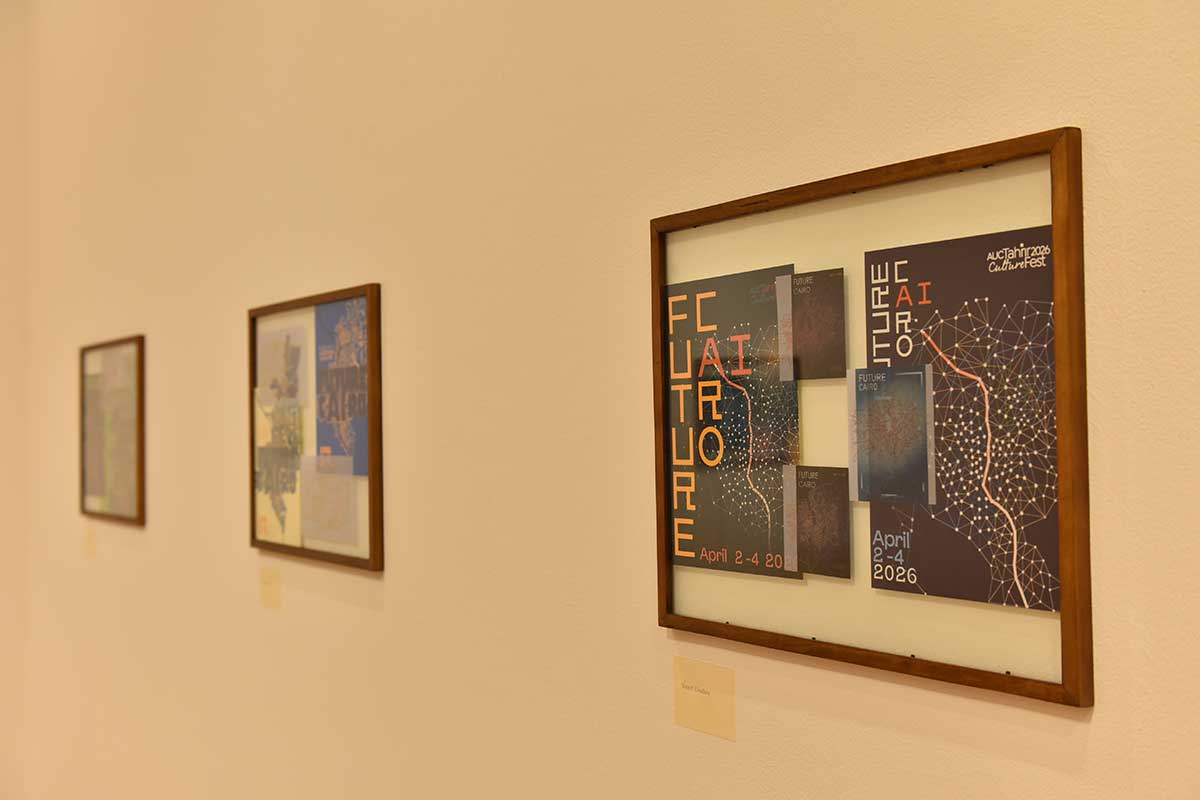
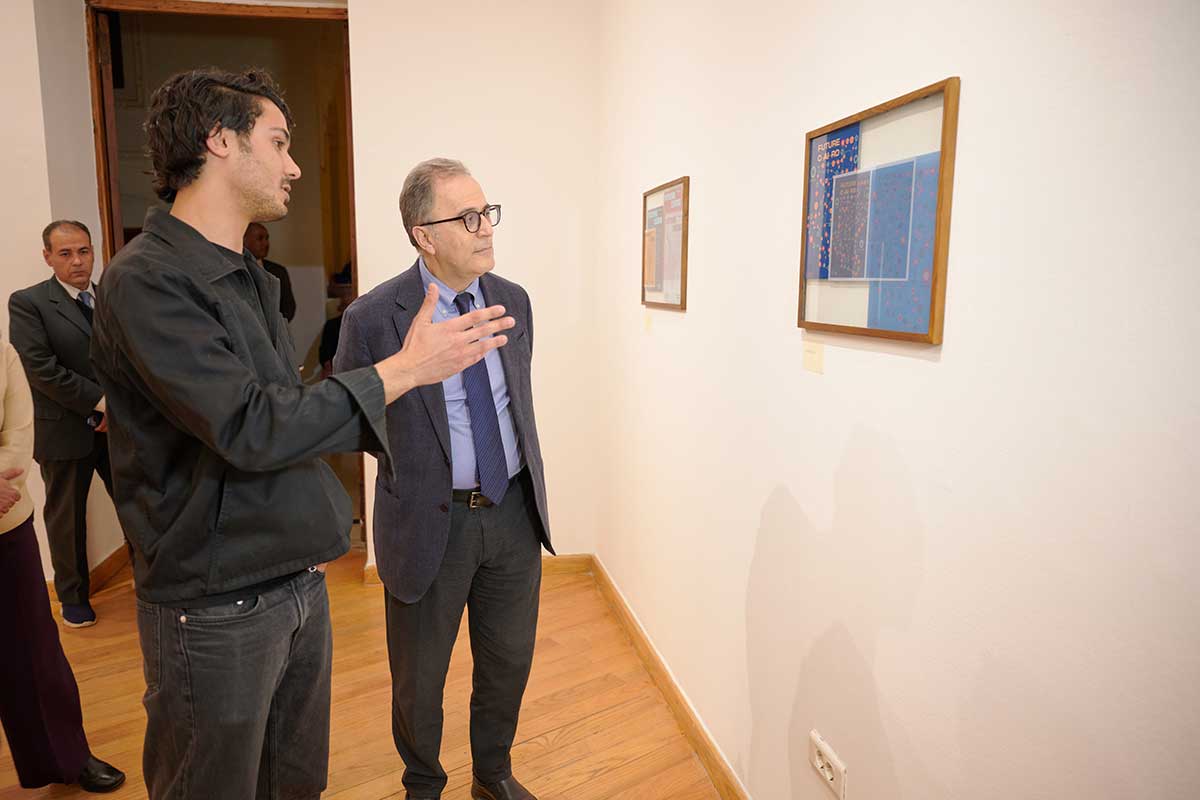
Future C—AI—RO highlighted speculative design by AUC students in the Logo and Visual Identity Design course, taught by Nora Aly, adjunct faculty in the Department of the Arts. Working in teams, students developed visual concepts and identity proposals in response to the festival’s theme “Future Cairo.” Each group presented a unique direction, and one final design was selected to anchor the festival’s visual language. The exhibition concluded with Whispers of the Walls, a projection mapping work that traced the history of Khairy Pasha Palace —where past and present continue to overlap.